

Table of Contents
- What Professional Makeup Technique Workshops Teach You
- Hands-On Training: From Foundation to Finishing Touches
- Makeup Kit Essentials for Professionals
- Makeup Workshop Duration and Course Structures
- Advanced Makeup Application Techniques You'll Master
- Hygiene Standards and Professional Sanitation Protocols
- Career Development and Portfolio Building After Your Workshop
- Choosing the Right Workshop for Your Goals
Last Updated: August 17, 2026
What Professional Makeup Technique Workshops Teach You
Professional makeup technique workshops are structured, hands-on training programmes designed to teach aspiring and practising makeup artists the skills required to apply makeup at an industry standard. These workshops cover foundational colour theory and skincare preparation through to advanced contouring, blending, and finishing techniques that create a polished, professional finish.
Quality workshops focus on practical application rather than theory alone. You'll learn to assess different skin types, match foundation correctly, and work with clients' natural features to enhance rather than mask them. The curriculum typically addresses the minimal-kit philosophy, teaching you to achieve professional results with fewer, higher-quality tools rather than accumulating a vast collection. Workshops also instil proper sanitation standards and client consultation skills, the foundation of a sustainable career in makeup artistry.
Hands-On Training: From Foundation to Finishing Touches
The hands-on component is where professional makeup technique workshops deliver real value. Rather than watching demonstrations, you'll spend most of your time with a brush in hand, practising on live models or practice heads under guidance from experienced instructors. This active learning embeds muscle memory and builds the confidence you need when working with real clients.
Foundation application forms the cornerstone of this training. You'll learn multiple application methods, stippling, buffing, and blending, and understand when each technique suits different skin types and coverage needs. The instructor will walk you through assessing skin tone, identifying undertones, and selecting the right shade match, a skill requiring genuine proficiency across diverse complexions.
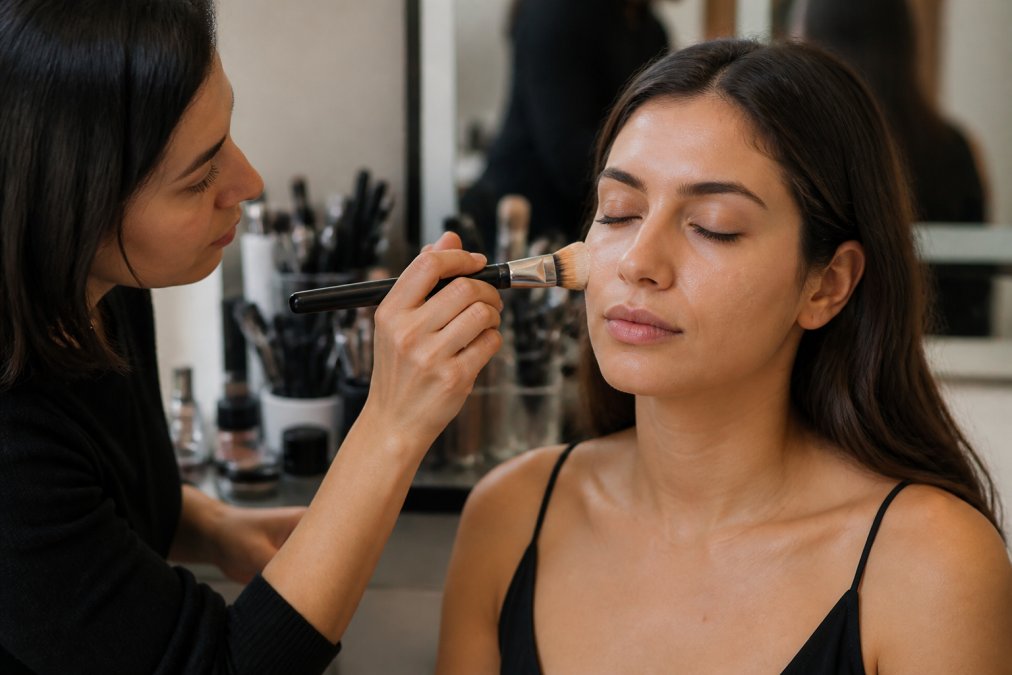
From there, training progresses through contouring and highlighting, where you'll learn to sculpt and define facial features using colour theory and light reflection. Advanced blending techniques ensure seamless transitions. Many workshops include special effects basics, bridal makeup styling, and fashion and editorial makeup applications, each requiring different approaches and product knowledge.
The practical assessment typically requires you to complete a full face on a model, demonstrating your ability to execute all techniques covered. Instructors provide feedback on your application speed, product control, and client communication throughout the process.
Makeup Kit Essentials for Professionals
Building a professional makeup kit means investing in fewer, higher-quality tools that deliver consistent results. A curated collection of essential brushes, properly maintained, outperforms a drawer full of mediocre ones.
Foundation and base work require at least two brushes: one for precise application and blending, and one for full-face coverage. The Flawless Foundation Brush from Artist Atelier, handcrafted with ultra-soft synthetic fibres, handles both seamless base application and layering without dragging or pilling. At £25.00, it represents a significant investment compared to drugstore alternatives, but the quality translates directly into application ease and finish quality.

Lip work demands precision. The Polished & Professional 3 Piece Lip set from Artist Atelier includes brushes specifically designed for lip definition, shaping, and filling. At £25.00 for the set, these tools allow you to create clean lines and controlled application that free-hand application cannot match.
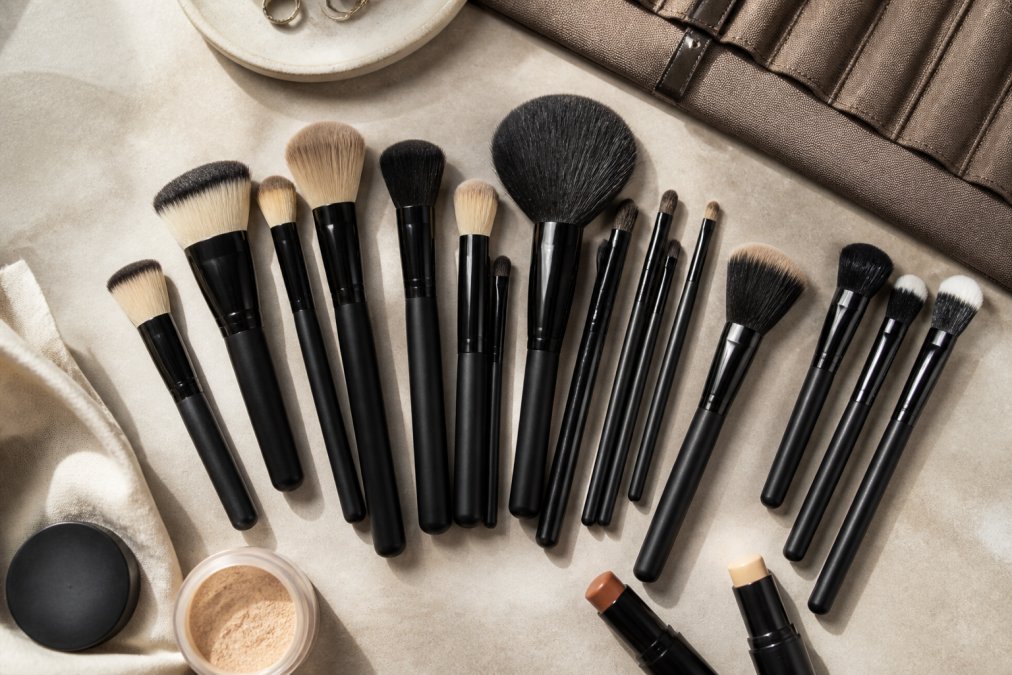
Beyond brushes, your kit should include high-quality foundation, concealer, contour products, and a selection of eyeshadows and lip colours. The principle remains: quality over quantity. A limited palette of versatile shades you can mix and layer beats an extensive collection you'll rarely use.
Sanitation standards demand that every tool in your kit is cleanable and maintainable. Synthetic bristles like those on Artist Atelier's brushes withstand regular cleaning without deteriorating, whereas natural hair can degrade with frequent washing. This practical consideration directly impacts both your ability to maintain hygiene and the longevity of your investment.
Makeup Workshop Duration and Course Structures
Professional makeup technique workshops vary considerably in length, from intensive single-day sessions to multi-week programmes.
Short courses typically run 1-3 days, often as weekend intensives or evening sessions across a few weeks. These suit professionals wanting to refine specific skills like contouring, bridal makeup styling, or special effects basics without lengthy commitment.
Intermediate courses span 2-6 weeks, meeting once or twice weekly. This structure allows you to practise techniques between sessions, receive feedback on your progress, and develop muscle memory gradually. Many find this pace ideal because it mirrors real-world learning.
Comprehensive programmes run 8-12 weeks or longer, covering the full breadth of makeup artistry: foundation, contouring, eyeshadow application, special effects, bridal styling, and business fundamentals. Longer courses often include portfolio building and career support.
One-to-one tuition offers bespoke training tailored to your specific goals and challenges. This costs more per hour but accelerates learning because every minute addresses your needs. Many professionals use one-to-one sessions to supplement group workshops, targeting specific weak areas.
The schedule matters as much as duration. Evening and weekend courses suit people working full-time. Daytime intensive programmes work for those able to commit several weeks without employment. Some providers offer flexible scheduling or recorded content, allowing you to learn at your own pace while accessing instructor feedback.
Advanced Makeup Application Techniques You'll Master
Once you've mastered foundation application and basic blending, advanced techniques separate professional work from amateur attempts.
Contouring and highlighting use colour theory to understand how warm and cool tones interact with skin. You'll learn to read facial structure and use contour products to enhance natural features rather than dramatically alter them. This requires understanding undertones, skin depth, and specific lighting conditions.
Blending techniques separate polished work from obvious makeup. Feathering edges, layering translucent products, and using brushes at specific angles create seamless transitions that look like enhanced skin rather than applied makeup. This is a motor skill that develops through repetition and feedback.
Colour theory application extends beyond shade selection. You'll learn how to use colour to correct skin concerns, create dimension, and harmonise with your client's natural colouring. A makeup artist who understands colour theory works with a limited palette and creates infinite variations.
Special effects techniques, scar simulation, bruising, ageing effects, require different products and application methods than everyday makeup. These skills open doors to film, television, and theatrical work.
Lighting and photography considerations matter in professional work. Makeup that looks flawless in natural light might appear flat under flash photography. Advanced training addresses how to adapt your application based on the final context where your work will be seen.
Hygiene Standards and Professional Sanitation Protocols
Professional sanitation is a legal and ethical requirement for anyone working on clients' faces. Workshops that don't emphasise hygiene protocols teach an incomplete skill set.
Brush hygiene forms the first line of defence. Every brush used on a client must be cleaned before the next application. Professional-grade brushes like those from Artist Atelier, crafted with ultra-soft synthetic materials, withstand regular cleaning without bristle deterioration. Many professionals clean brushes between each client.

Cross-contamination prevention extends beyond brushes. Products like foundation, concealer, and cream contour must be applied with clean tools, never directly from the container to a client's face. Spatulas and disposable applicators ensure product remains uncontaminated.
Skin assessment and preparation protocols protect both your clients and your reputation. Before applying makeup, assess skin condition, identify any active breakouts or sensitivities, and discuss concerns with your client. Proper skincare preparation creates a better base for makeup and protects skin integrity.
Product knowledge includes understanding shelf life and storage requirements. Opened products have limited usable lifespans. Cream products typically last 6-12 months once opened; powder products last longer but can harbour bacteria if stored improperly. Professional workshops teach you to track product age and replace items regularly.
Career Development and Portfolio Building After Your Workshop
A quality workshop doesn't end when the final class finishes. The transition from training to professional practice requires portfolio development, ongoing skill refinement, and strategic career planning.
Portfolio building involves creating a collection of your best work demonstrating your range and technical proficiency. This typically means applying makeup on diverse models, different skin tones, face shapes, and ages, and photographing results under professional lighting. Many workshops include portfolio sessions where you work on models and receive professional photography.
The minimal-kit philosophy extends into career planning. Rather than offering every service immediately, many successful makeup artists build their business around their strongest techniques. Someone exceptional at bridal makeup might specialise there initially, building a reputation and client base, then gradually expand into other areas.
Ongoing skill development separates professionals who plateau from those who advance. After your initial workshop, many artists pursue specialisation courses in advanced special effects, fashion and editorial makeup, or specific bridal styling techniques.
Professional certification from your workshop carries weight with clients and employers. Some providers offer industry-recognised qualifications that demonstrate you've met specific standards.
Networking with other makeup artists accelerates learning and opens professional opportunities. Workshops create communities of peers at similar skill levels. Many successful professionals maintain these connections, collaborating on projects and sharing industry knowledge.
Choosing the Right Workshop for Your Goals
Not all professional makeup technique workshops deliver equivalent value. Your choice should align with your current skill level, available time, career ambitions, and learning style.
If you're a complete beginner, seek courses explicitly designed for foundational learning. These cover colour theory, basic application techniques, and essential product knowledge without assuming prior experience. Many providers offer beginner assessments or introductory sessions.
For practising makeup enthusiasts wanting to refine technique, intermediate courses focusing on specific skills make sense. Targeted training in contouring, eyeshadow blending, or special effects accelerates improvement in areas where you struggle.
Professional makeup artists seeking specialisation should look for advanced courses in their target area. If you want to work in bridal makeup, find courses dedicating significant time to bridal styling and working with different skin tones.
Consider the instructor's background. Workshops led by makeup artists with active professional experience differ substantially from those taught by people primarily known for training. Look for instructors who work with real clients and understand current industry trends.
Evaluate the student-to-instructor ratio. Workshops with 20+ students per instructor limit individual attention. Smaller groups, ideally under 8 students, allow instructors to observe your work and provide targeted guidance.
Check what happens after the course ends. Does the provider offer follow-up support, feedback on portfolio work, or ongoing access to instructors? Workshops including post-course mentoring provide ongoing value beyond initial training.
Assess whether the course includes hands-on practice on diverse skin tones and face shapes. Professional training should include practice on models representing the diversity you'll encounter in real work.
Consider certification and social proof. Industry-recognised qualifications add credibility when building a client base or seeking employment. Verify what the certification signifies and whether it holds value in your target market.
Choosing a professional makeup technique workshop requires balancing technical instruction quality, practical application time, and post-course support. The best workshops combine experienced instructors, hands-on practice on diverse clients, and clear pathways for ongoing development. Artist Atelier's approach emphasises the minimal-kit philosophy and professional-grade tools, focusing on mastering technique with fewer, higher-quality brushes. The Flawless Foundation Brush and Polished & Professional Lip set provide the precision tools that underpin professional application. By selecting a workshop that prioritises hands-on training, proper sanitation protocols, and portfolio development, you invest in a sustainable foundation for professional makeup artistry practice.
Frequently Asked Questions
What should I look for in a professional makeup masterclass?
Look for workshops offering hands-on practical training with industry-standard techniques, small class sizes for one-to-one tuition elements, and instructors with proven professional experience. The best courses combine foundation matching and colour theory with advanced techniques like contouring and blending. Check whether the course provides professional certification upon completion and covers hygiene and sanitation standards, these are non-negotiable for anyone working in the beauty industry.
How long does a typical professional makeup technique workshop take?
Workshop duration varies widely. Short courses range from one day to a few weeks, ideal for learning specific skills like bridal makeup or special effects. Full professional certification programmes typically span 6-12 weeks. The right duration depends on your current skill level and career goals. Beginners often benefit from longer, structured courses with progressive modules, while experienced makeup artists may prefer intensive masterclasses targeting advanced techniques.
What makeup kit essentials should I invest in as a beginner?
Start with a minimal-kit philosophy: a quality foundation brush for seamless base application, lip brushes for precise definition, and basic blending tools. Invest in professional-grade, hypoallergenic brushes that won't irritate sensitive skin. The Flawless Foundation Brush (£25) and Polished & Professional 3 Piece Lip Set (£25) are designed for this purpose. A curated, high-quality kit beats a large collection of mediocre tools, professional makeup artists typically use fewer, superior brushes rather than extensive collections.
Are short makeup courses worth the investment for beginners?
Yes, short courses deliver genuine value if they focus on practical assessment and hands-on training. A concentrated workshop teaches industry-standard techniques and builds confidence quickly. The key is choosing a course with real application skills practice, not just theory. Many beginners find a short, focused course more valuable than self-teaching because you receive direct feedback, learn professional sanitation protocols, and gain certification that signals credibility if you pursue makeup artistry professionally.
This article was written using GrandRanker